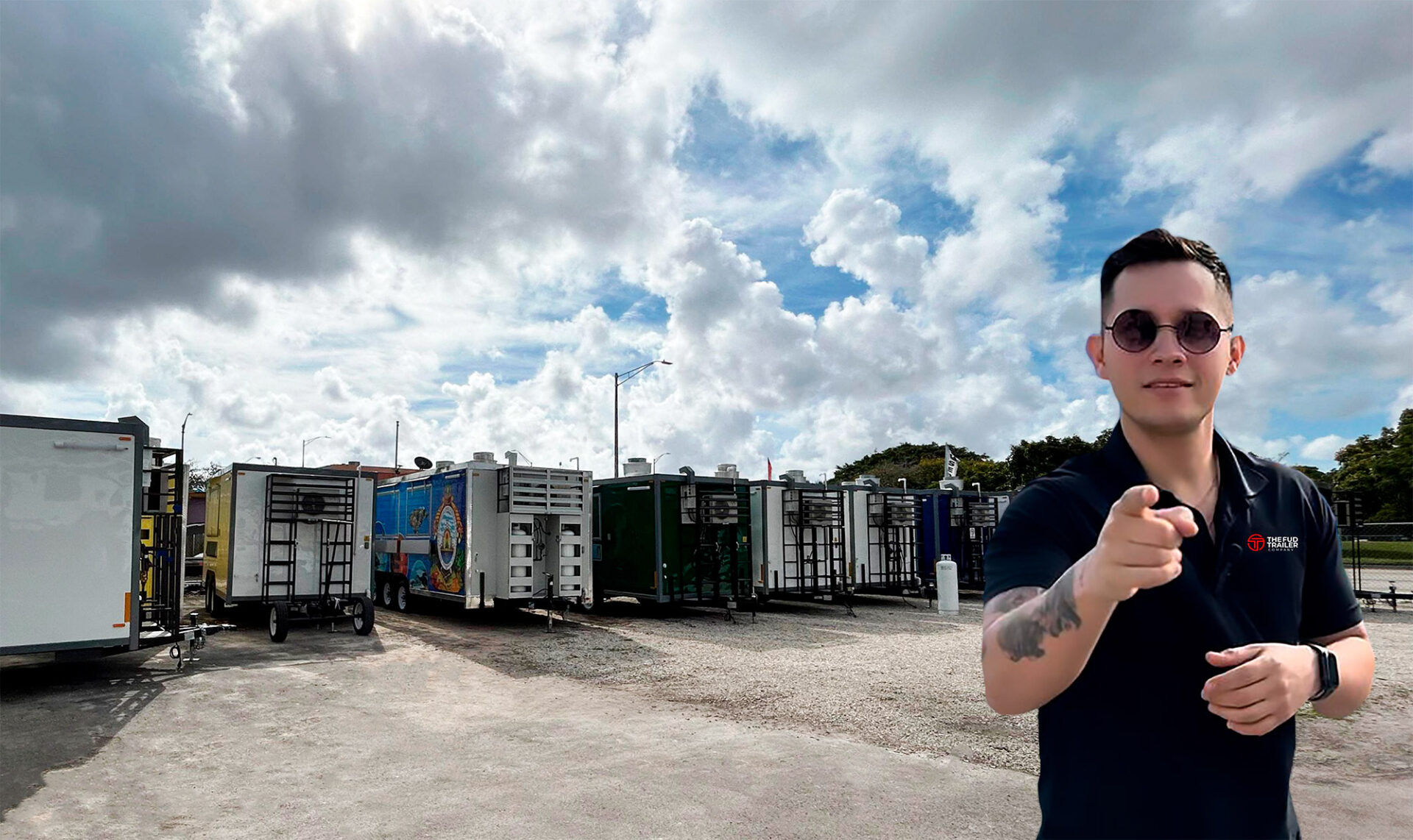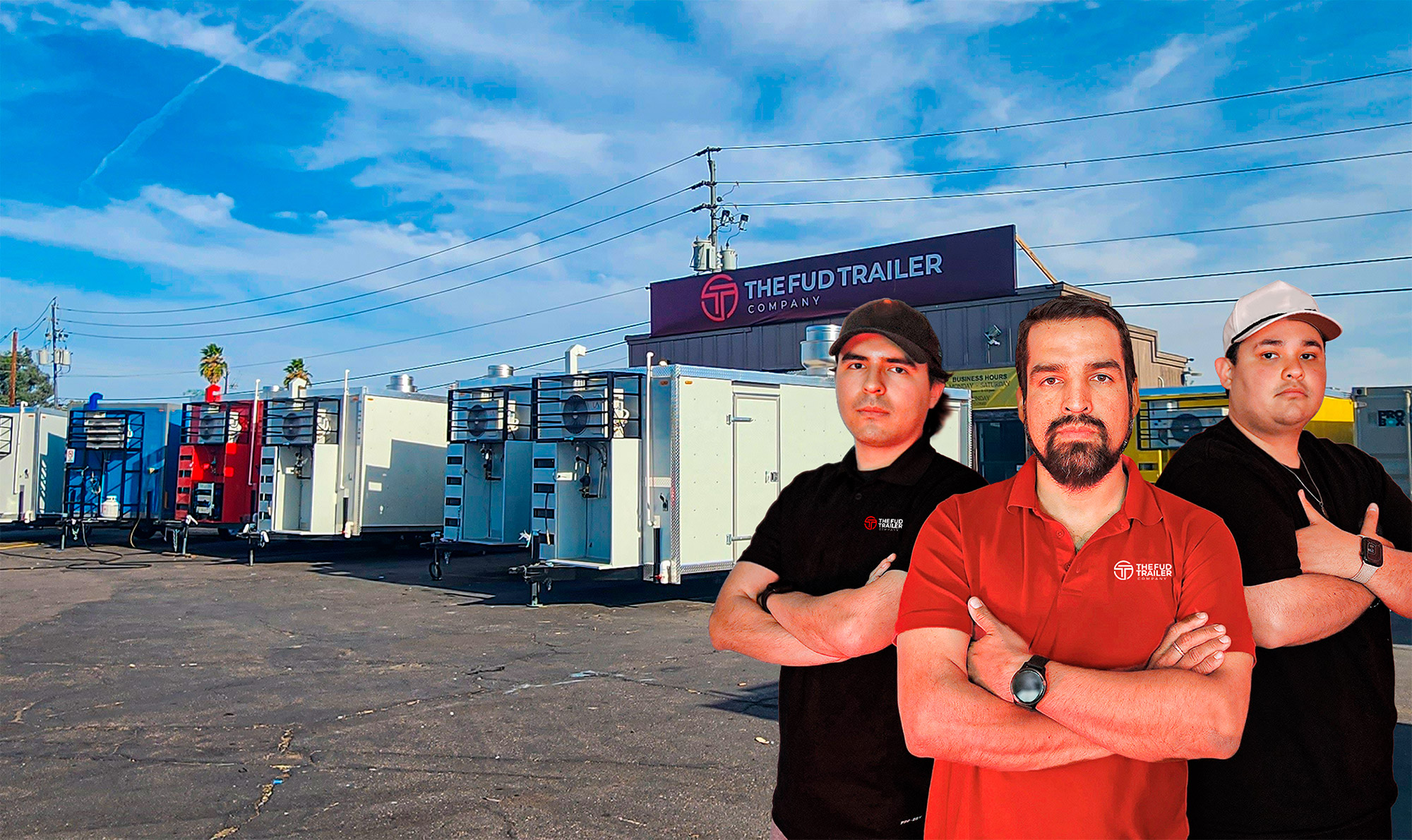
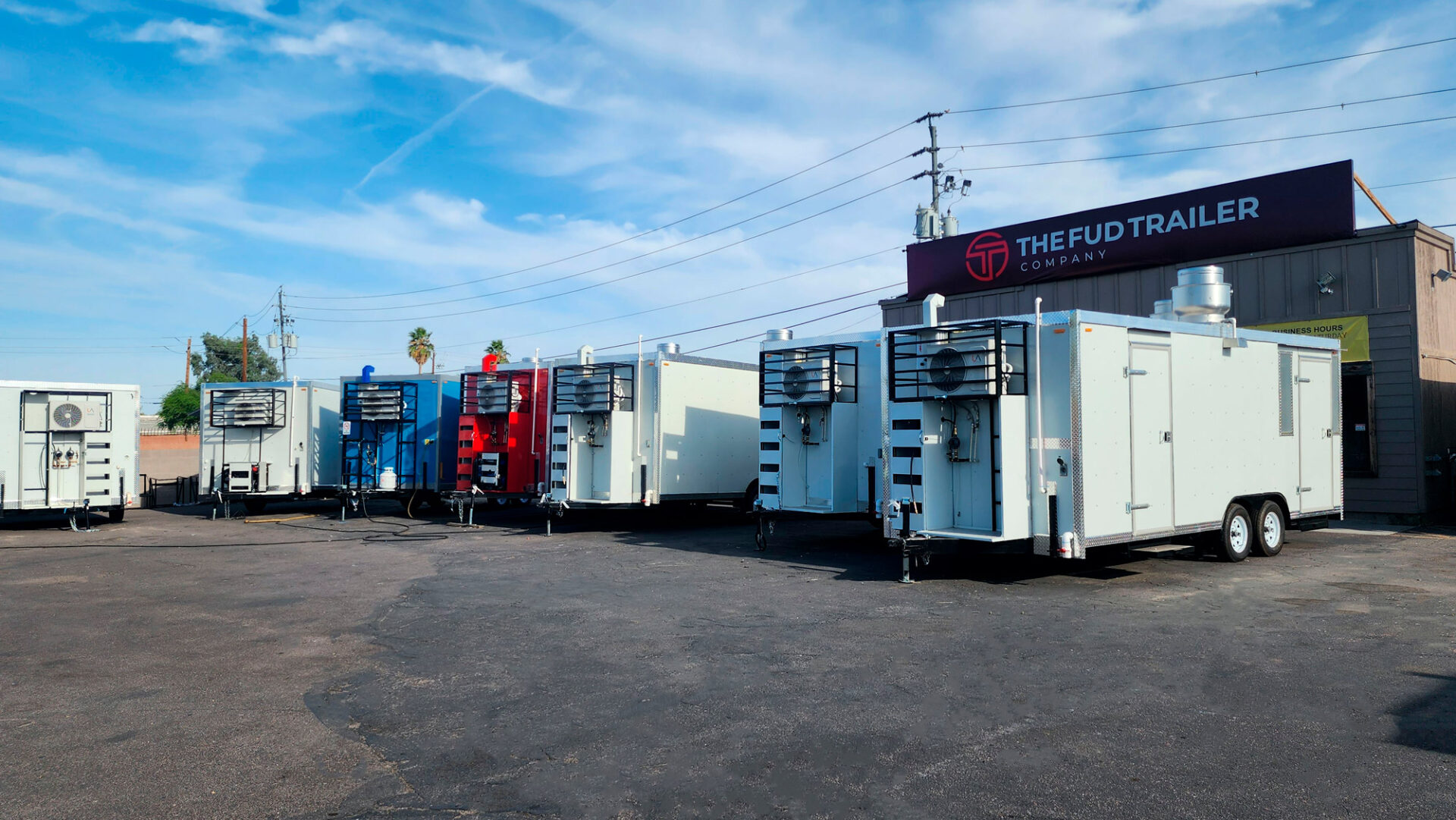
Most buyers obsess over the price tag. Smart buyers obsess over the size. Here’s something we’ve seen across 16 U.S. dealerships: the operators who struggle in their first year almost always picked their trailer based on what they could afford, not what their business actually needed. Wrong size = wrong menu. Wrong menu = wrong revenue. Whether you’re serving coffee at a farmers market or BBQ at a packed stadium event, the size of your trailer determines your ceiling — how many orders you can handle, how many staff you can fit, and how much you can earn on your best day. This guide breaks down every size we carry — from the 10ft to the 23ft — so you can make this decision with real numbers, not guesses.
The question nobody asks before buying
When most people shop for a food trailer, they ask:
- “How much does it cost?”
- “Can I get financing?”
- “What does it look like?”
What they should be asking is:
- “How many orders per hour do I need to fill?”
- “How many people will work inside with me?”
- “What events am I planning to work?”
Your answers to those three questions will tell you exactly what size you need. Everything below will help you connect the dots.
The full lineup: what each size actually gives you
The 10ft trailer — lean, mobile, and built for focus
The 10ft is the most accessible entry point into the food trailer world. It’s compact, easy to tow, and ideal for operators who have a focused, tight menu — think coffee, hot dogs, tacos, or single-concept street food.
Best for: Solo operators, first-time buyers, tight urban spots, markets and pop-ups
Realistic capacity: 1–2 staff | 50–80 orders/day comfortably
Honest limitation: If your concept requires more than 3 pieces of cooking equipment or a serious prep station, you’ll feel the squeeze fast.
“I started with a 10ft and it was perfect for my first year. But by month eight, I needed more space. Plan ahead.” — Food trailer owner, Dallas, TX
The 12ft trailer — the step-up most beginners overlook
The 12ft is often ignored because it doesn’t get the same attention as the 10ft or 16ft — but for operators who want a little more breathing room without a major jump in cost, it’s a smart middle ground.
Best for: First-timers who plan to grow quickly, duo operations, light event catering
Realistic capacity: 1–2 staff | 70–100 orders/day comfortably
Key advantage: Space for a dedicated prep area without the complexity of managing a larger unit.
The 14ft trailer — where versatility begins
The 14ft opens up your equipment options meaningfully. You can now fit a full cook line and a dedicated service counter, which means faster turnaround per customer and less operational bottlenecking during peak hours.
Best for: Operators with 3–5 menu items, small event catering, growing solo brands
Realistic capacity: 2 staff | 100–150 orders/day
Key advantage: You can work festivals and private events without turning customers away.
The 16ft trailer — the sweet spot for serious operators
This is the size we recommend most often for operators who are launching with a real business plan. It gives you full commercial kitchen capability, room for two active staff members, dedicated storage, and the flexibility to serve high-volume events without constant restocking.
Best for: Full-concept operators, catering contracts, food festivals, corporate events
Realistic capacity: 2–3 staff | 150–200+ orders/day
Key advantage: The 16ft is large enough to be taken seriously at major events — and small enough to still be nimble in urban locations.
“The 16ft changed everything for us. We went from 80 orders a day to 180 in the first month after upgrading.” — Food trailer owner, Nashville, TN
The 20ft trailer — built for volume
The 20ft is where you stop being a street vendor and start being a mobile restaurant. At this size, you have space for a full prep kitchen, a complete cook line, multiple staff stations, and real storage capacity that keeps you operational through the longest events.
Best for: High-volume events, catering companies, festival-heavy operations, multi-concept menus
Realistic capacity: 3–4 staff | 200–300+ orders/day
Key advantage: Corporate catering clients and major event organizers take you more seriously at this size. The 20ft signals that you’re a professional operation.
The 23ft trailer — the flagship unit
The 23ft is our largest model and it’s designed for operators who know exactly what they’re building. It’s not for everyone — but for the operator who wants maximum daily revenue, full catering capability, and room to run a complete professional kitchen, there’s nothing like it.
Best for: Established operators, catering fleets, large-scale events, BBQ and full-service menus
Realistic capacity: 4–5 staff | 300–400+ orders/day potential
Key advantage: The floor space to run a genuinely restaurant-grade mobile kitchen — which means premium pricing, premium events, and premium revenue.
Size vs. revenue: the comparison you actually need
| Size | Staff capacity | Daily order potential | Best event type | Starting investment level |
| 10ft | 1–2 | 50–80 | Markets, pop-ups | Low |
| 12ft | 1–2 | 70–100 | Markets, light catering | Low-Medium |
| 14ft | 2 | 100–150 | Festivals, small events | Medium |
| 16ft | 2–3 | 150–200+ | Festivals, corporate | Medium |
| 20ft | 3–4 | 200–300+ | High-volume events | Medium-High |
| 23ft | 4–5 | 300–400+ | Catering, large events | High |
Note: Daily order estimates assume standard operating hours and an average ticket of $10–$14.
The 3 questions that pick your size for you
If you’re still not sure which size is right, answer these three questions honestly:
1. How many items are on your menu?
- 1–3 items → 10ft or 12ft
- 4–6 items → 14ft or 16ft
- 7+ items or full kitchen concept → 20ft or 23ft
2. How many people will work inside?
- Solo or 1 helper → 10ft–12ft
- 2 people working together → 14ft–16ft
- 3 or more → 20ft–23ft
3. What types of events are you targeting?
- Farmers markets and pop-ups → 10ft–14ft
- Food festivals and catering → 16ft–20ft
- Major events and corporate contracts → 20ft–23ft
Frequently asked questions
What size food trailer is best for a beginner?
The 10ft or 12ft is the most common starting point for first-time owners. They’re easier to manage, more affordable to start, and still capable of generating solid daily revenue with a focused menu. If you have a larger budget and a clear growth plan, starting at the 14ft or 16ft gives you more long-term flexibility without changing trailers a year later.
Is a bigger trailer always more profitable?
Not automatically — no. A large trailer with a disorganized menu and weak location strategy won’t out-earn a focused 10ft trailer in a prime spot. Size creates capacity, but what you do with that capacity is what creates profit. That said, operators who want to grow, cater events, or hire staff will eventually need more space.
Can a 10ft trailer work at large festivals?
It depends on the event and your concept. Some festivals assign spaces that accommodate 10ft–14ft units. Others require larger setups to handle volume. For food festivals expecting 5,000+ attendees, a 16ft or larger gives you the best shot at keeping up with demand without turning customers away.
What’s the difference between a food trailer and a concession trailer?
They’re often used interchangeably. A concession trailer is a general term for any towable food-service unit, while food trailer typically refers to a fully equipped mobile kitchen. At The Fud Trailer Company, all our units are built as restaurant-grade mobile kitchens — not basic concession setups.
Do I need a bigger tow vehicle for larger trailers?
Yes. A 10ft–14ft trailer can typically be towed by a standard pickup or SUV. A 16ft–20ft trailer requires a heavy-duty pickup (F-250 or equivalent). A 23ft trailer needs a full heavy-duty tow setup. Factor this into your total budget when choosing your size.
The decision that matters most
Every inch of your trailer is a business decision. The 10ft owner who masters their market can out-earn a 20ft owner who hasn’t figured out their concept. But the 20ft owner who finds the right events, builds the right team, and serves the right volume? That’s where the real money lives.
Don’t buy the cheapest trailer you can afford. Buy the right trailer for the business you’re building. Get that decision right, and everything else — revenue, growth, sustainability — follows from it.
🚛 See every size in person at a dealership near you
The Fud Trailer Company — 16 locations across the U.S.
We carry all sizes from 10ft to 23ft, every unit certified to pass county health and fire inspections, backed by a 1-year warranty and supported by our national service network. Our team at every location is trained to help you match the right trailer to your specific concept, market, and budget — not just sell you what’s in stock.
Come in, walk through the models, and leave with a real plan.
👉 Find your nearest dealership
#FoodTrailerSizeGuide #10ftFoodTrailer #20ftFoodTrailer #ConcessionTrailerSizes #BestFoodTrailerSize #FoodTrailerForBeginners #FoodTrailerBusiness #MobileFoodBusiness #ConcessionTrailer2026 #FoodTrailerForSale