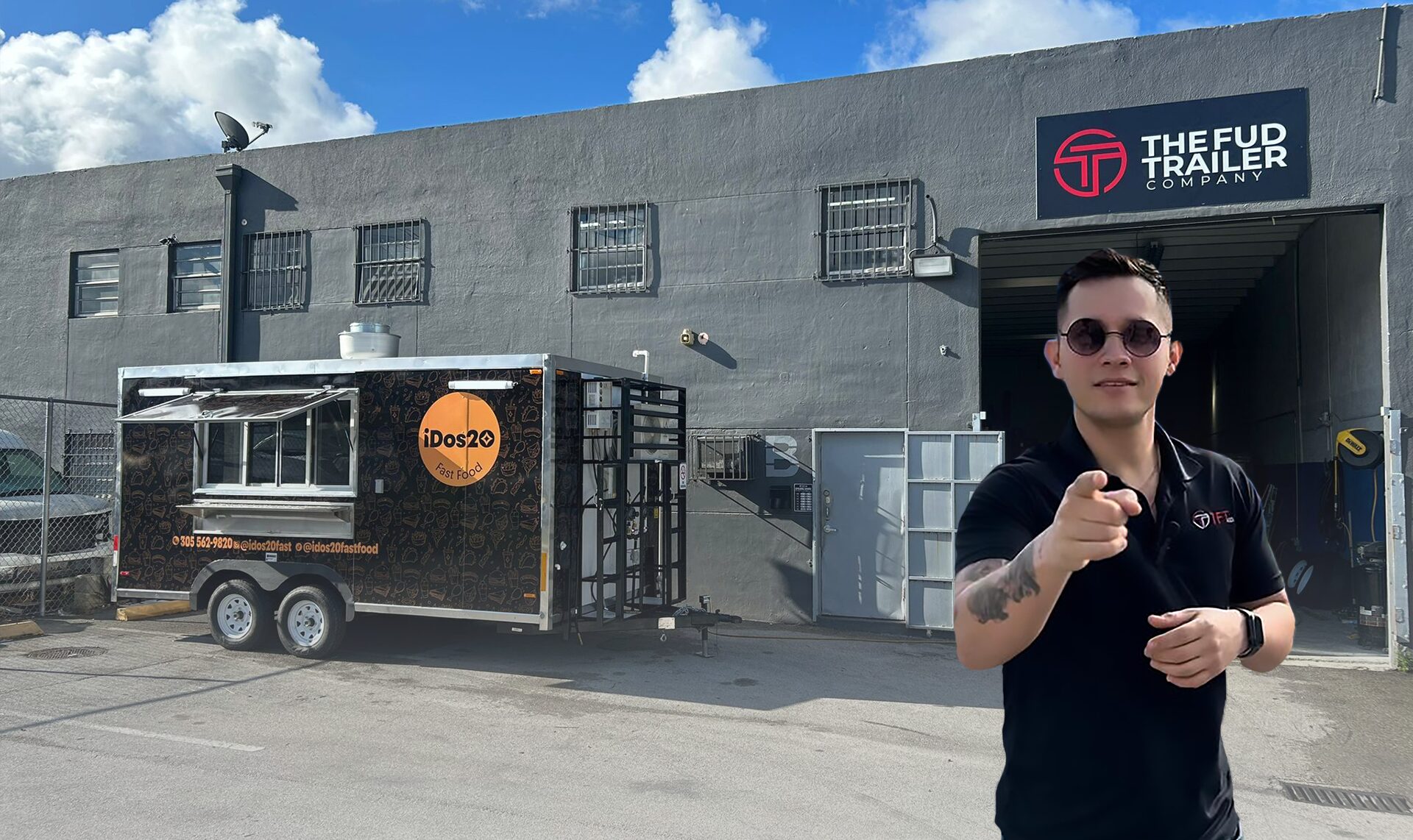
Lessons Learned From Running a Food Trailer This Year
Every year in the mobile food industry brings new challenges, unexpected lessons, and valuable insights. For anyone running a food trailer, real growth doesn’t come only from success — it comes from adapting, learning, and improving with experience.
This year has reinforced one clear truth: food trailer businesses thrive when owners remain flexible, data-driven, and customer-focused. At The Fud Trailer Company, we’ve worked closely with food trailer owners across the U.S., observing patterns that separate those who merely survive from those who grow stronger each season.
Here are the most important lessons learned from running a food trailer this year — lessons that can help both new and experienced owners operate smarter, more profitably, and with greater confidence.
1. Consistency Matters More Than Perfection
One of the biggest lessons from running a food trailer is that consistency often beats perfection. Customers don’t expect perfection — they expect reliability.
What Consistency Looks Like
Showing up on schedule
Delivering the same food quality every time
Maintaining consistent pricing
Keeping communication clear on social media
Food trailer owners who focused on consistency built stronger customer loyalty than those constantly chasing perfection or overcomplicating their operations.
2. Customer Experience Is Just as Important as Food Quality
Great food alone is no longer enough. This year made it clear that customer experience plays a huge role in repeat business.
Key Experience Factors
Friendly, efficient service
Clear menu boards and pricing
Fast order turnaround
Clean and organized trailer presentation
Transparent communication during delays
Owners running a food trailer who invested in service quality saw higher return visits and stronger word-of-mouth growth.
3. Simpler Menus Perform Better Under Pressure
Many operators learned the hard way that large menus increase stress, slow service, and raise costs.
Why Simpler Menus Work
Faster prep and service times
Lower inventory complexity
Less food waste
Easier staff training
More consistent quality
This year reinforced that a focused menu with a few strong sellers outperforms long, complicated offerings — especially during high-demand periods.
4. Flexibility Is a Core Business Skill
Weather changes, location restrictions, supply delays, and staffing challenges made flexibility essential for anyone running a food trailer.
Where Flexibility Matters Most
Adjusting operating hours
Shifting locations based on demand
Modifying menu items when ingredients fluctuate
Responding quickly to customer feedback
Food trailer owners who adapted quickly were able to maintain sales even during unpredictable conditions.
5. Location Strategy Can Make or Break a Day
Another major lesson from running a food trailer this year is that not all locations are created equal — even within the same city.
Successful Location Traits
Predictable foot traffic
Clear visibility
Easy access for customers
Minimal competition nearby
Alignment with your target audience
Operators who regularly evaluated and adjusted their locations consistently outperformed those who stayed in underperforming spots out of habit.
6. Branding Drives First-Time Purchases
Strong branding proved more important than ever. Customers are drawn to trailers that look professional, clean, and well-designed.
Effective Branding Elements
Eye-catching trailer wrap
Clear, readable menu design
Consistent brand colors and messaging
Visible logo and social handles
At The Fud Trailer Company, we saw firsthand how professionally designed trailers attracted more walk-up traffic — often before customers even knew the menu.
7. Social Media Is No Longer Optional
One of the clearest lessons from running a food trailer this year is that social media directly affects daily sales.
What Worked Best
Daily location posts
Short-form video content
Behind-the-scenes prep clips
Customer shoutouts and reposts
Seasonal promotions
Owners who treated social media as part of daily operations — not an afterthought — consistently saw higher engagement and foot traffic.
8. Preparation Prevents Stress
This year highlighted how preparation reduces chaos. Food trailer owners who planned ahead handled busy days and unexpected issues far more effectively.
Preparation Includes
Prepped ingredients ready before service
Backup supplies on hand
Clear staff roles
Maintenance checks before events
Weather contingency plans
Preparation turned stressful days into manageable ones for those running a food trailer with discipline.
9. Preventive Maintenance Saves Time and Money
Unexpected equipment failures disrupted service for many operators this year. Those who invested time in maintenance avoided major interruptions.
Critical Maintenance Areas
Refrigeration units
Electrical connections
Gas lines and regulators
Ventilation systems
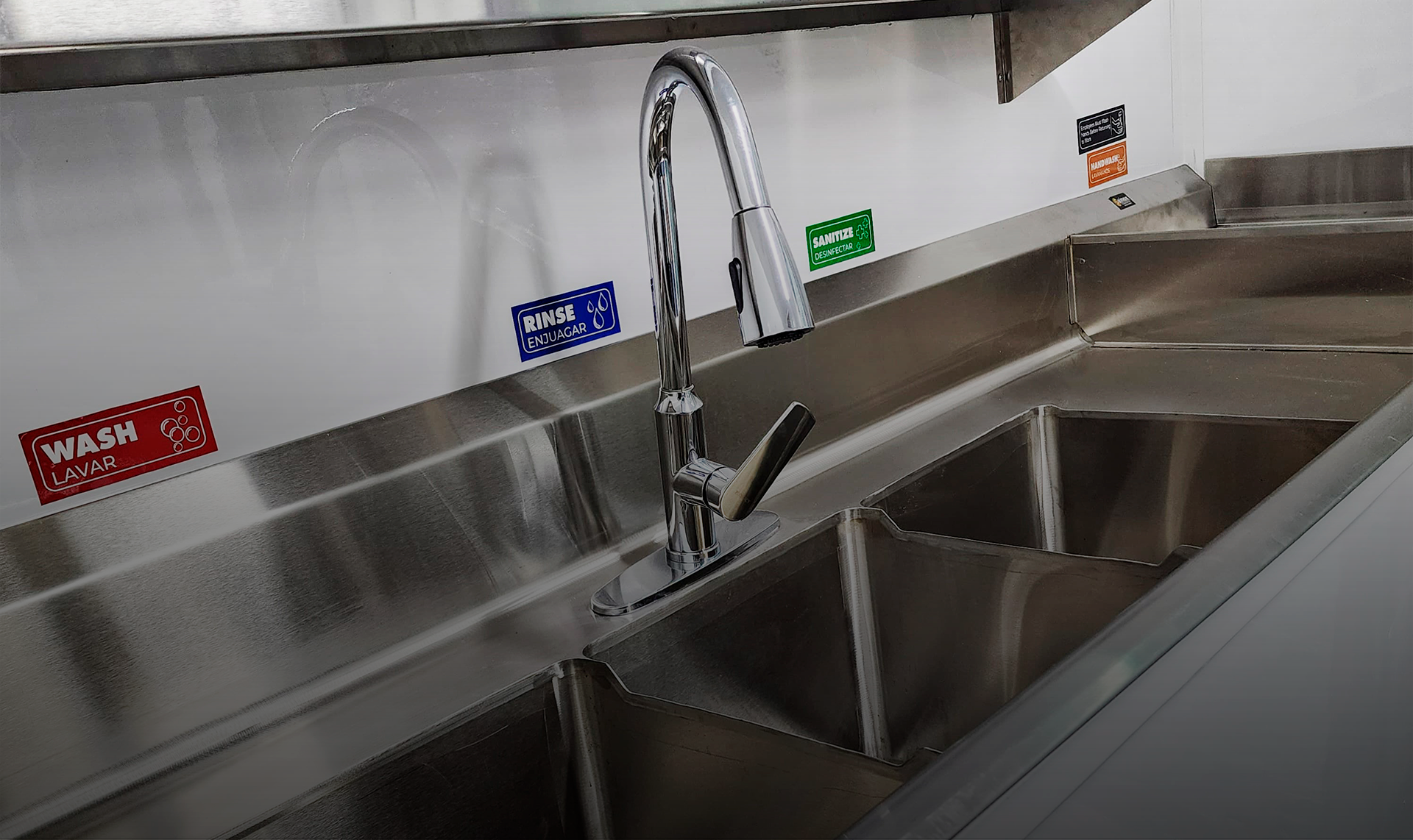
Water and plumbing components
At The Fud Trailer Company, we always emphasize maintenance-friendly designs because reliable equipment supports consistent operations year-round.
10. Customer Feedback Is a Growth Tool
Many successful owners learned to embrace feedback instead of ignoring it.
How Feedback Helped Improve Operations
Adjusting portion sizes
Refining recipes
Improving service flow
Clarifying menus
Enhancing presentation
Listening to customers helped food trailer owners improve faster than relying on assumptions.
11. Catering Creates Stability
Another important lesson from running a food trailer this year is the value of catering and private events.
Why Catering Matters
Predictable revenue
Larger order sizes
Reduced reliance on daily foot traffic
Opportunities for brand exposure
Owners who promoted catering services experienced more stable income during slower periods.
12. Staffing Efficiency Is More Important Than Headcount
More staff does not always mean better service. This year showed that efficiency matters more than size.
Effective Staffing Strategies
Cross-trained team members
Clear task assignments
Shift scheduling based on demand
Strong communication during service
Well-organized teams delivered better service with fewer resources.
13. Seasonal Planning Is Essential
Running a food trailer year-round requires seasonal awareness.
Seasonal Adjustments Include
Menu changes based on weather
Location changes by season
Adjusted hours of operation
Seasonal marketing messages
Owners who planned seasonally maintained stronger performance throughout the year.
14. Long-Term Thinking Produces Better Decisions
Perhaps the most valuable lesson from running a food trailer this year is the importance of long-term thinking.
Long-Term Focus Leads To
Better investment decisions
Sustainable growth
Stronger customer relationships
Improved brand reputation
Food trailer businesses that think beyond daily sales build resilience and longevity.
Conclusion
This year reinforced that running a food trailer is both challenging and rewarding. Success comes from consistency, adaptability, strong branding, efficient operations, and customer-focused decisions.
At The Fud Trailer Company, we’re proud to support entrepreneurs through every stage of their journey — from building custom trailers to sharing insights that help owners grow smarter and stronger each year.
The lessons learned today become the foundation for tomorrow’s success. Food trailer owners who reflect, adapt, and improve will continue to thrive in an evolving industry.