How to Operate a Food Trailer in Winter Without Losing Profit
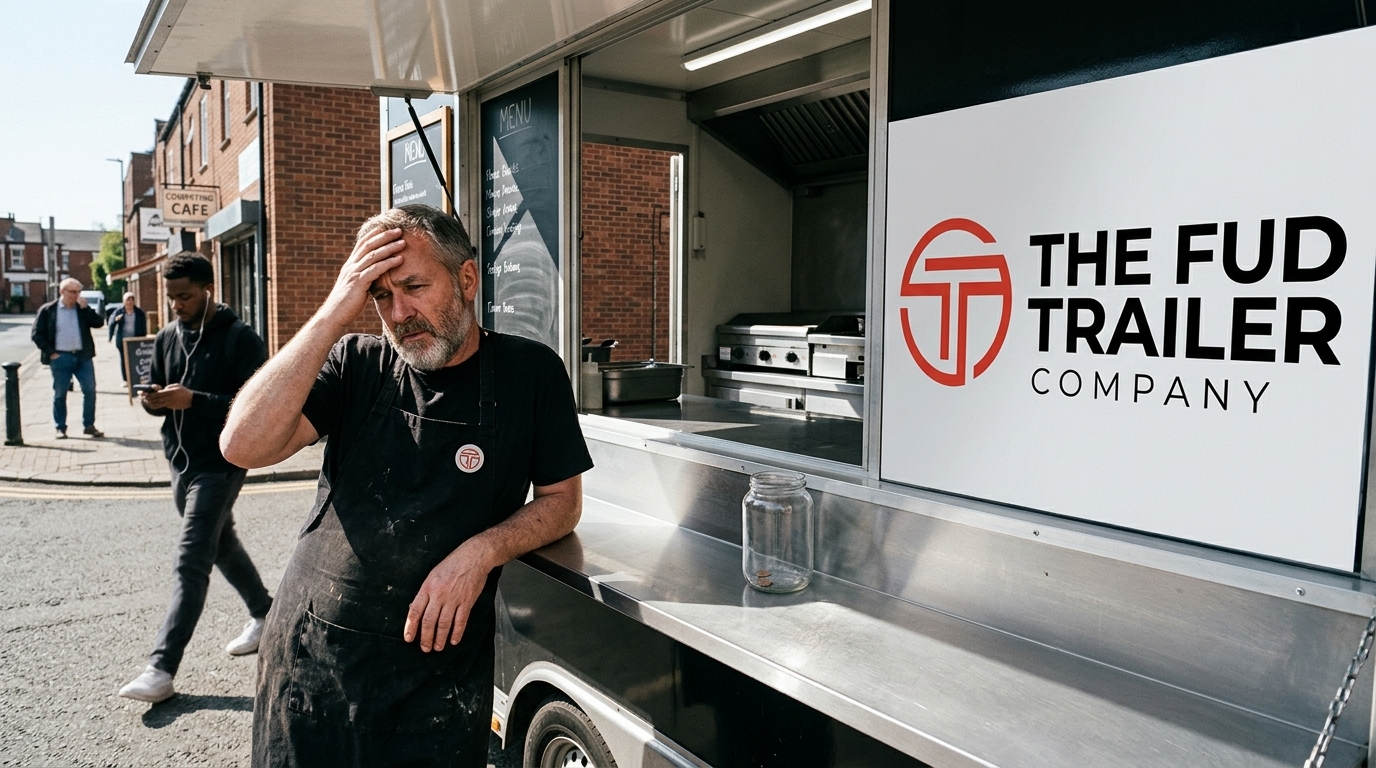
Winter can be one of the most challenging seasons for mobile food businesses — but it can also be one of the most profitable for those who know how to adapt. Learning how to operate a food trailer during colder months without losing profit requires strategy, preparation, and smart operational decisions.
Many food trailer owners assume winter means shutting down or accepting lower revenue. In reality, winter rewards operators who understand seasonal behavior, adjust their menus, choose smarter locations, and maintain efficient operations.
At The Fud Trailer Company, we’ve worked with food trailer owners across the U.S. who successfully operate year-round — even in cold climates. This guide explains exactly how to do it.
Why Winter Operations Require a Different Strategy
Operating a food trailer in winter is not about doing the same things as summer with heavier jackets. Customer behavior, foot traffic, and costs change significantly.
Winter-Specific Challenges Include
Reduced outdoor foot traffic
Shorter daylight hours
Colder working conditions
Weather-related equipment stress
Fewer festivals and open-air events
Understanding these factors is the first step to learning how to operate a food trailer profitably during winter.
1. Adjust Your Menu for Cold Weather Demand
One of the most effective ways to operate a food trailer successfully in winter is to adapt your menu to what customers naturally crave.
Winter-Friendly Menu Characteristics
Warm, comforting foods
Items that retain heat well
Easy-to-eat handheld meals
Beverages that warm customers up
High-Performing Winter Menu Ideas
Soups, stews, and chili
Grilled sandwiches and paninis
Hot bowls and comfort meals
Hot chocolate, coffee, or spiced drinks
Seasonal desserts served warm
Cold weather increases demand for warmth — operators who meet that demand protect their margins.
2. Focus on Locations That Perform Year-Round
Location strategy becomes critical in winter. To operate a food trailer without losing profit, you must prioritize places where people gather regardless of weather.
Best Winter Locations
Office complexes and business parks
Hospitals and medical centers
College campuses
Indoor markets and warehouses
Breweries with indoor seating
Manufacturing facilities during lunch hours
These locations offer predictable traffic and shelter from harsh conditions.
3. Reduce Idle Time and Maximize Peak Hours
Winter customers are less likely to wander — they arrive with purpose. Successful owners adjust their schedules accordingly.
Smart Winter Scheduling
Shorten operating hours to peak times only
Focus on lunch and early dinner windows
Avoid long idle periods in cold conditions
Plan routes that minimize travel time
Operating fewer hours but with higher efficiency helps protect profit.
4. Improve Trailer Insulation and Comfort
Maintaining a comfortable workspace is essential to operate a food trailer efficiently in winter. Cold temperatures slow staff, increase fatigue, and reduce productivity.
Ways to Improve Trailer Comfort
Seal doors and service windows properly
Use insulated flooring and wall panels
Install weather-resistant door curtains
Maintain proper ventilation while retaining heat
At The Fud Trailer Company, we design trailers with insulation and layouts that allow owners to operate comfortably in both hot and cold climates.
5. Protect Plumbing and Water Systems
Freezing temperatures pose serious risks to food trailer plumbing. Preventative measures are essential to avoid costly downtime.
Winter Plumbing Best Practices
Drain water systems when not in use
Disconnect external water hoses overnight
Use insulated water lines
Monitor water heaters closely
Avoid leaving systems idle with water inside
Proper winterization ensures uninterrupted service and protects your equipment investment.
6. Maintain Equipment More Frequently
Cold weather places extra stress on equipment. To operate a food trailer smoothly, maintenance must be proactive rather than reactive.
Winter Equipment Focus Areas
Refrigeration units
Electrical connections
Propane lines and regulators
Ventilation systems
Generators and power sources
Regular inspections prevent breakdowns that could shut down operations during peak winter demand.
7. Leverage Catering and Private Events
Winter may reduce walk-up traffic, but it significantly increases private bookings. Catering is one of the strongest ways to operate a food trailer profitably during colder months.
High-Demand Winter Catering Opportunities
Corporate holiday parties
Employee appreciation events
School and university functions
Indoor community gatherings
Private celebrations
Promoting catering services stabilizes revenue and reduces reliance on daily foot traffic.
8. Use Seasonal Marketing to Drive Demand
Winter marketing should focus on warmth, comfort, and convenience.
Effective Winter Marketing Messages
“Warm meals for cold days”
“Comfort food on wheels”
“Hot food, fast service”
“Perfect winter lunch option”
Channels That Perform Well
Google Business Profile updates
Instagram and Facebook stories
Email and SMS lists
Local business partnerships
At The Fud Trailer Company, we’ve seen winter-themed branding significantly improve customer engagement and traffic.
9. Offer Seasonal Bundles and Value Combos
Winter customers are more price-conscious but still willing to spend on value.
Profitable Winter Promotions
Meal + hot drink bundles
Family-sized portions
Limited-time winter specials
Loyalty rewards for repeat visits
These strategies increase average ticket size without heavy discounting.
10. Reduce Operating Costs Strategically
Operating in winter doesn’t mean cutting corners — it means operating smarter.
Winter Cost-Control Strategies
Reduce unnecessary travel
Operate during high-demand windows only
Streamline inventory
Limit menu complexity
Avoid overstaffing
Lower costs combined with consistent sales protect profitability.
11. Keep Staff Motivated and Prepared
Cold weather affects morale. A motivated team performs better and serves faster.
Ways to Support Your Team
Provide proper cold-weather gear
Schedule shorter, focused shifts
Maintain a warm, organized workspace
Offer clear expectations and routines
Efficient staff operations are essential to operate a food trailer successfully year-round.
12. Take Advantage of Reduced Competition
Many food trailers shut down during winter. Those who remain active benefit from reduced competition.
Winter Advantages
Less competition for prime locations
Higher demand per vendor
Stronger brand visibility
Staying operational when others pause creates long-term customer loyalty.
13. Plan for Weather Contingencies
Weather unpredictability is part of winter operations.
Preparation Tips
Monitor forecasts daily
Have flexible schedules
Communicate closures clearly online
Keep backup supplies ready
Prepared operators avoid unnecessary losses.
Conclusion
Learning how to operate a food trailer in winter without losing profit requires adaptability, planning, and discipline. From adjusting menus and locations to improving insulation, maintenance, and marketing, winter success is built on smart operational choices.
At The Fud Trailer Company, we help food trailer owners design and operate units built for all seasons. With the right strategies, winter can become a profitable extension of your business — not a setback.
Food trailers that adapt don’t just survive winter — they come out stronger.