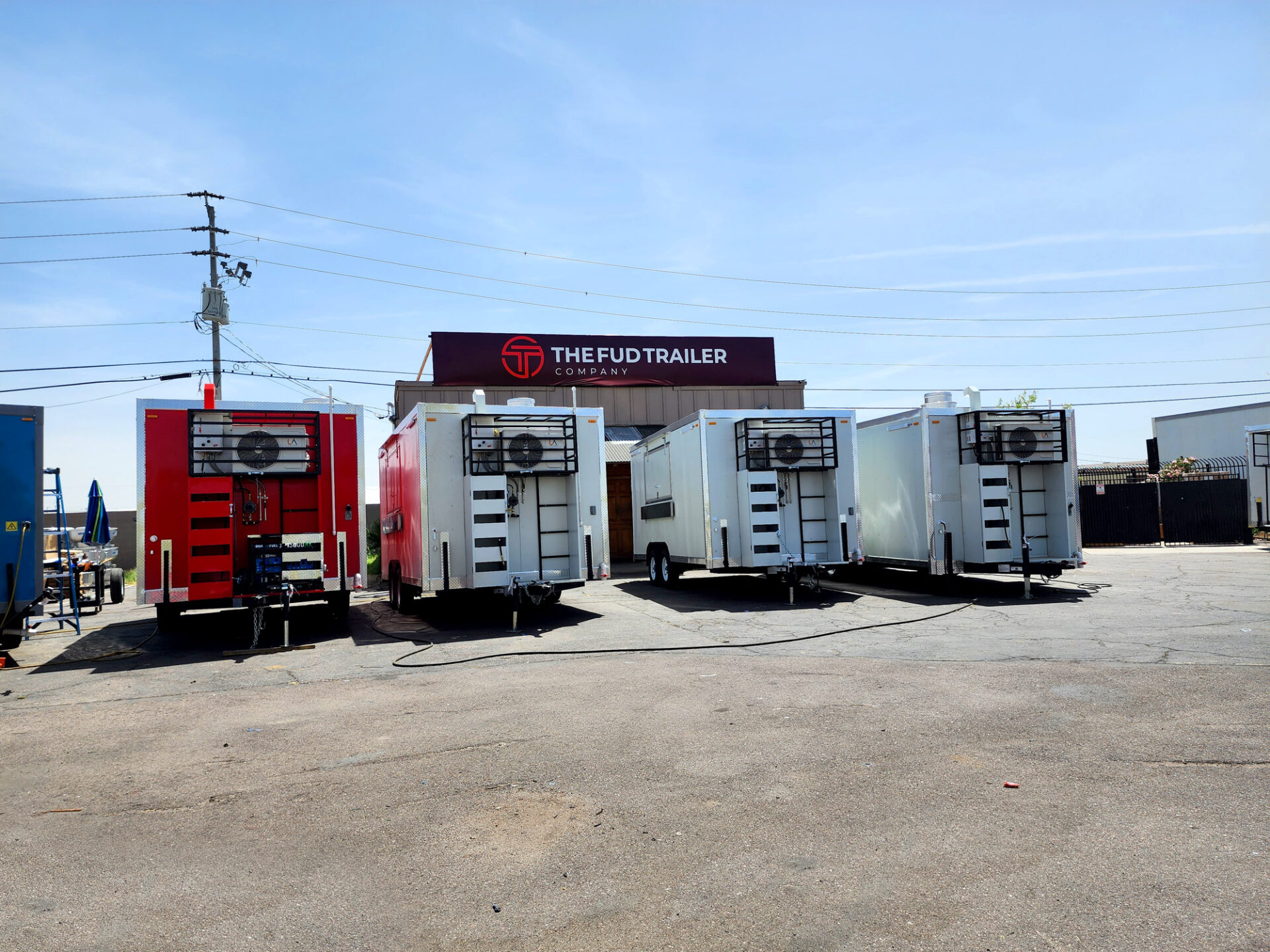
Your 2026 Food Trailer Roadmap: From Idea to Launch
Launching a food trailer in 2026 requires more than enthusiasm and a good recipe. The mobile food industry has matured, competition has increased, and customers expect professionalism from day one. That’s why having a clear food trailer roadmap is essential for turning an idea into a successful, operating business.
A roadmap helps you move step by step — avoiding costly mistakes, reducing uncertainty, and ensuring that every decision supports long-term success. At The Fud Trailer Company, we’ve helped entrepreneurs across the U.S. navigate this journey, and one thing is clear: those who follow a structured roadmap launch faster and operate more confidently.
This guide walks you through a practical food trailer roadmap for 2026 — from concept to launch.
Why You Need a Food Trailer Roadmap in 2026
The food trailer industry is no longer a “figure it out as you go” space. Regulations, customer expectations, and operational complexity demand preparation.
A Strong Food Trailer Roadmap Helps You:
-
Validate your idea before investing time and effort
-
Stay compliant with local regulations
-
Build a trailer that fits your concept
-
Launch with confidence instead of guesswork
-
Reduce operational stress during your first months
A roadmap doesn’t eliminate challenges — it prepares you to handle them.
Phase 1: Clarify Your Food Trailer Concept
Every successful launch starts with clarity. Before you think about equipment or locations, your concept must be clearly defined.
Key Questions to Answer
-
What type of food or beverage will you serve?
-
Who is your target customer?
-
When and where will customers buy from you?
-
What problem does your food trailer solve?
Your concept influences everything that follows — menu, trailer layout, branding, and operations.
Phase 2: Research Your Market Thoroughly
A strong food trailer roadmap always includes market research. This step ensures there is demand for your concept where you plan to operate.
What to Research
-
Existing food trailers and trucks in your area
-
Popular food categories and pricing
-
Peak service times and locations
-
Customer preferences and gaps in the market
Market research prevents launching into an oversaturated or misaligned market.
Phase 3: Understand Local Regulations Early
Regulations can delay or derail your launch if not addressed early.
Regulatory Areas to Review
-
Health department requirements
-
Fire safety standards
-
Zoning and parking rules
-
Commissary kitchen obligations
-
Business licensing requirements
At The Fud Trailer Company, we always recommend confirming compliance requirements before finalizing trailer design. This avoids expensive changes later.
Phase 4: Build a Practical Business Plan
Your food trailer roadmap should include a realistic business plan — not a complex document, but a clear operational outline.
Your Plan Should Define
-
Operating schedule
-
Service locations
-
Staffing needs
-
Menu structure
-
Marketing approach
-
Growth goals
This plan acts as your decision-making reference throughout the launch process.
Phase 5: Design the Right Food Trailer
Your trailer is not just a kitchen — it’s your workspace and your brand.
What to Consider During Design
-
Workflow efficiency
-
Equipment placement
-
Storage needs
-
Service window positioning
-
Ventilation and safety requirements
At The Fud Trailer Company, we design custom food trailers around each client’s roadmap, ensuring the unit supports speed, safety, and scalability.
Phase 6: Select Equipment That Matches Your Menu
Equipment choices should always support your menu — not the other way around.
Equipment Planning Tips
-
Avoid over-equipping your trailer
-
Choose commercial-grade appliances
-
Prioritize speed and reliability
-
Ensure equipment meets health standards
Efficient equipment reduces downtime and improves consistency.
Phase 7: Develop Strong Branding Before Launch
In 2026, branding is a major driver of first-time purchases.
Branding Essentials
-
Clear business name and logo
-
Cohesive color palette
-
Readable menu design
-
Professional exterior presentation
A well-branded trailer attracts customers before they even read the menu.
Phase 8: Plan Your Launch Locations Strategically
Location selection is a critical part of your food trailer roadmap.
Strong Launch Locations Include
-
Office complexes
-
College campuses
-
Breweries
-
Local events
-
High-traffic business districts
Launching in the right place builds momentum early.
Phase 9: Prepare Operational Systems
Operational readiness separates smooth launches from chaotic ones.
Systems to Set Up
-
Inventory tracking
-
Daily prep routines
-
Cleaning and sanitation procedures
-
Staff training protocols
-
Opening and closing checklists
Clear systems reduce mistakes and improve efficiency from day one.
Phase 10: Build Visibility Before Opening Day
Successful launches start before the first sale.
Pre-Launch Visibility Tactics
-
Social media countdowns
-
Google Business Profile setup
-
Soft-opening announcements
-
Partnerships with local businesses
Early awareness increases turnout on launch day.
Phase 11: Execute a Soft Launch
A soft launch allows you to test operations in real conditions.
Benefits of a Soft Launch
-
Identify workflow issues
-
Test menu performance
-
Gather customer feedback
-
Adjust pricing or prep times
Many owners refine their operations significantly during this stage.
Phase 12: Analyze and Adjust After Launch
Launching is not the finish line — it’s the beginning.
Post-Launch Focus Areas
-
Sales patterns
-
Customer feedback
-
Operational bottlenecks
-
Menu performance
-
Staffing efficiency
Your food trailer roadmap should remain flexible as real-world data comes in.
Phase 13: Plan for Growth Early
Thinking ahead allows you to scale intentionally.
Growth Opportunities
-
Catering services
-
Additional trailers
-
Expanded menus
-
New locations
Planning growth early ensures decisions align with long-term goals.
Phase 14: Stay Adaptable in a Changing Industry
The food trailer industry evolves constantly. A strong roadmap includes adaptability.
Adaptability Means
-
Adjusting menus seasonally
-
Shifting locations when demand changes
-
Embracing new marketing tools
-
Learning from competitors
In 2026, adaptability is one of the most valuable traits for food trailer owners.
Conclusion
Launching a food trailer in 2026 without a plan is a risk — but following a structured food trailer roadmap transforms that risk into opportunity. From defining your concept and designing the right trailer to preparing operations and planning growth, each step builds momentum toward a successful launch.
At The Fud Trailer Company, we help entrepreneurs turn ideas into fully operational food trailers by aligning design, compliance, and strategy with a clear roadmap. With preparation, discipline, and adaptability, your food trailer journey can start strong and grow sustainably.
A solid roadmap doesn’t just help you launch — it helps you last.