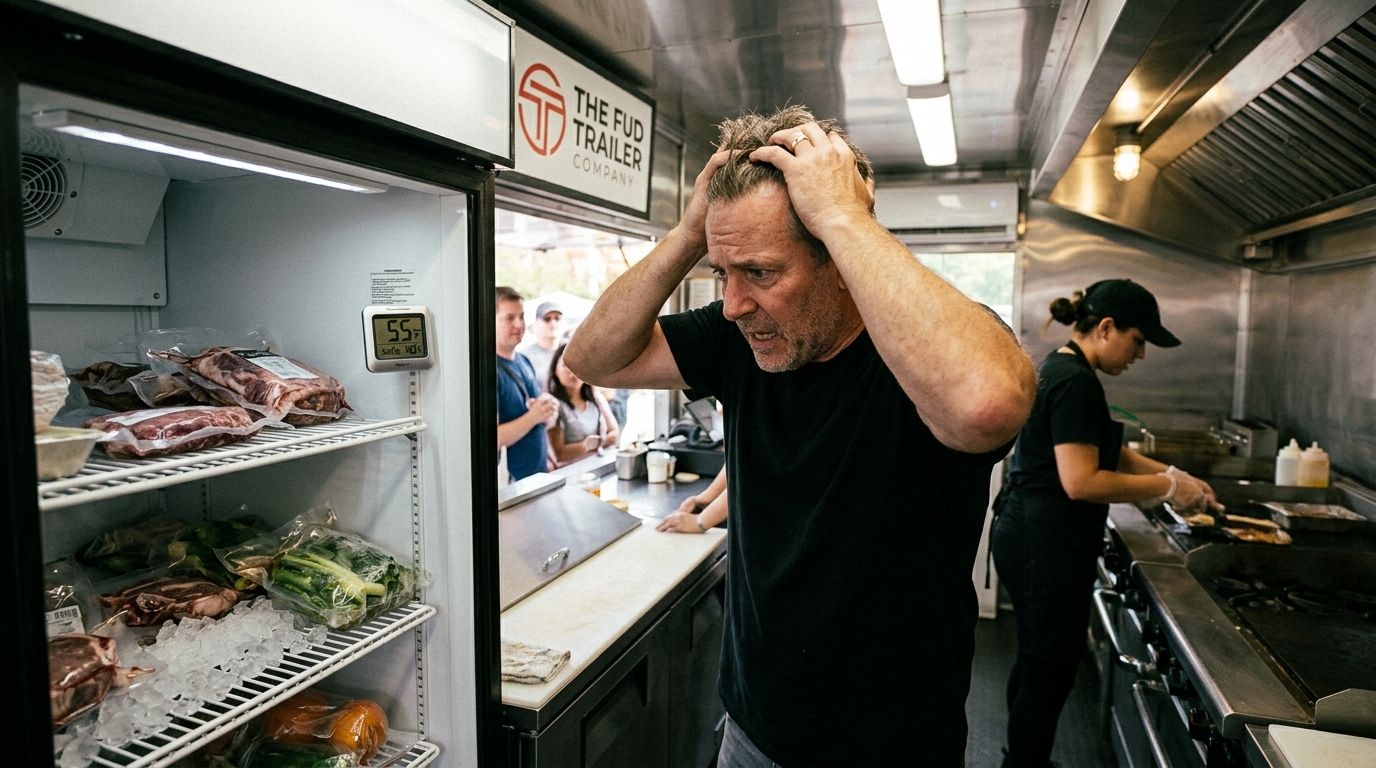
You’ve been selling tacos at $3.50 for 3 months. Your sales: 60-70 orders/day.
Last week another taco truck arrived 2 blocks away. Their tacos: $2.50.
Your sales dropped to 30-35 orders/day. -50% in one week.
You panic. Do you lower your prices to $2.50? Move? Close?
This guide tells you exactly what to do when your competition sells cheaper — and why lowering prices almost NEVER is the answer.
🚨 The Real Problem
It’s not that they sell cheaper. It’s that:
- You haven’t clearly differentiated yourself
- Your customers don’t understand why you’re worth more
- You’re competing in the wrong game (price)
The truth: There will always be someone cheaper. You can’t win that war.
❌ Why Lowering Prices Almost NEVER Works
The Price War Trap:
You lower to $2.50:
- They lower to $2.25
- You lower to $2.25
- They lower to $2.00
- Result: Both lose money, nobody wins
The Math:
At $3.50 per taco:
- Cost per taco: $1.40
- Profit: $2.10 (60% margin)
- 60 tacos/day = $126 profit
At $2.50 per taco (matching competition):
- Cost per taco: $1.40 (same)
- Profit: $1.10 (44% margin)
- 70 tacos/day = $77 profit
You need to sell 115 tacos/day at $2.50 to match profit of 60 tacos at $3.50.
Is selling almost double realistic? No.
The Worse Problem:
Once you lower prices:
- Hard to raise them again
- Customers see you as “cheap option”
- Attracts ultra price-sensitive customers
- Your brand value drops
✅ OPTION 1: Differentiate (Play a Different Game)
Strategy: Be BETTER, not cheaper
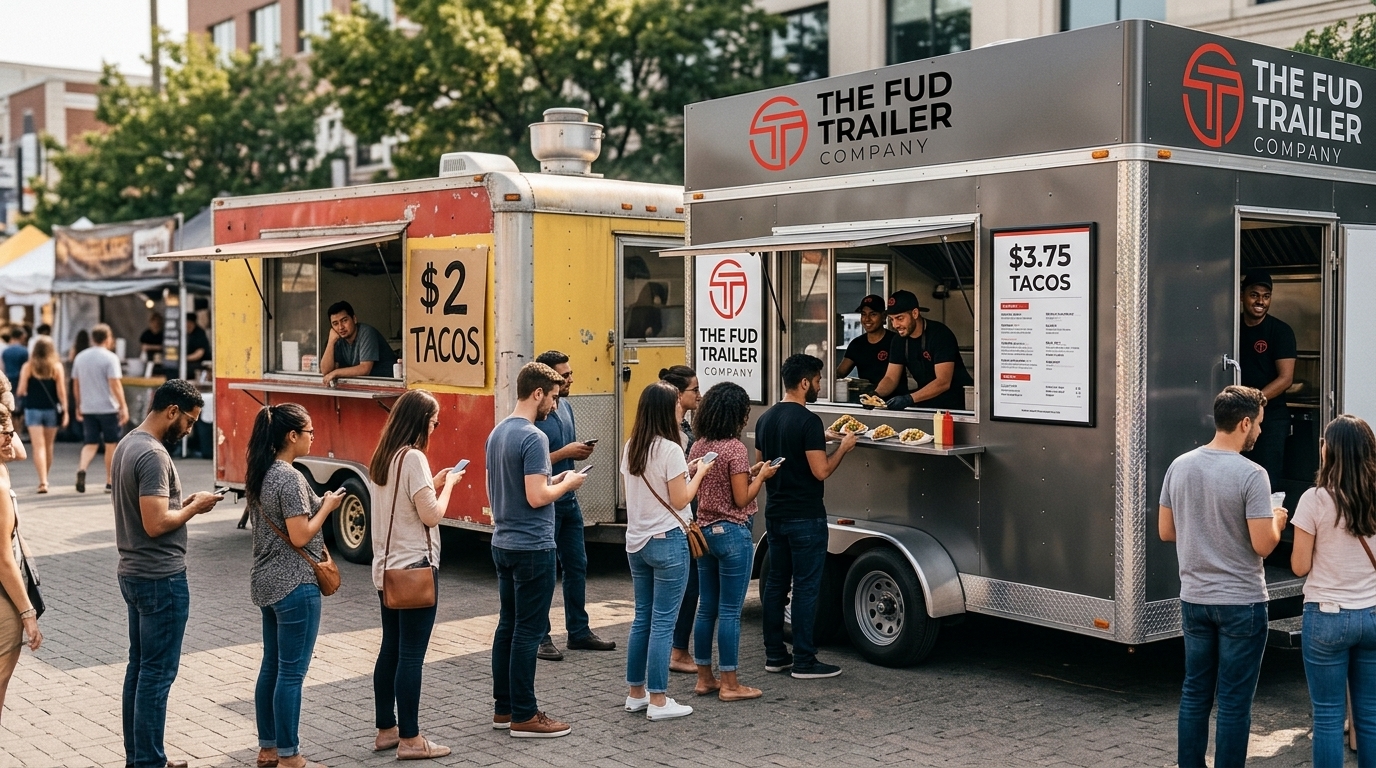
Real case: “El Buen Sabor” vs “Tacos Rápidos”
Tacos Rápidos:
- Tacos: $2.00
- Store-bought tortillas
- Pre-cooked meat
- Basic service
- No branding
- 80 orders/day
El Buen Sabor:
- Tacos: $3.75
- Handmade tortillas (visible)
- Fresh charcoal-grilled meat
- Homemade salsas (5 options)
- Premium presentation
- Music/atmosphere
- 85 orders/day
Result: El Buen Sabor sells MORE expensive AND MORE volume.
How to Differentiate in 1 Week:
Day 1-2: Visible Product Improvement
- [ ] Can you make something fresh/visible?
- Tortillas made in front of customer
- Charcoal-grilled meat (smell sells)
- Premium ingredients visible
- [ ] Add unique “signature item”
- “Our birria tacos with consommé”
- “Grandma’s secret salsa”
- Cost: $100-$200 in ingredient upgrade
Day 3-4: Present Differently
- [ ] Better packaging than competition
- Aluminum foil → Container with logo
- Quality napkins
- Fresh limes, not bottled
- [ ] Plating/presentation
- Simple but pro-looking garnish
- Cost: $50-$100
Day 5-7: Communicate Value
- [ ] Clear sign: “Made Fresh Daily”
- [ ] “Charcoal Grilled Meat (Not Pre-cooked)”
- [ ] “Handmade Tortillas”
- [ ] Social media: Behind-the-scenes
- Cost: $0-$50
Expected result:
- Recover 60-80% of lost customers
- Maintain price $3.50-$3.75
- Healthy margin
✅ OPTION 2: Change Location (Cost-Benefit Analysis)
When it DOES make sense to move:
Signs you should change location:
- Competition has 3+ trailers in 1-mile radius
- Your location isn’t exclusive (anyone can arrive)
- Total traffic dropped (not just your sales)
- Cost of staying > cost of moving
Financial Analysis:
Cost of staying:
- Sales dropped from 60 to 30 orders/day
- Loss: 30 orders × $2.10 profit = -$63/day
- Monthly loss: -$1,638
Cost of moving:
- New location setup: $200-$500
- New permit (if applicable): $0-$300
- Marketing at new location: $100-$200
- Total one-time: $300-$1,000
Break-even: 5-15 days
How to Choose New Location in 1 Week:
Day 1-2: Scouting (3-5 potential locations)
- [ ] 2+ miles from current competition
- [ ] Different target (offices vs residential)
- [ ] High foot traffic (100+ people/hour)
- [ ] Permit feasible
Day 3-4: Test Run
- [ ] Test 2 hours at each location
- [ ] Measure: people passing, stopping, buying
- [ ] Note: type of customers, prices they accept
Day 5-7: Commit
- [ ] Negotiate with landlord if parking lot
- [ ] Apply for necessary permits
- [ ] Announce change on social media
Success keys:
- Location with different demographic
- Less direct competition
- Better visibility/accessibility
✅ OPTION 3: Different Hours (Same Place, Different Time)
Strategy: Don’t compete head-to-head
Situation: Competition operates 11am-3pm (lunch)
Your move: Operate 5pm-9pm (dinner)
Result:
- Zero direct competition
- Same good location
- Different market (families, working late)
- Menu can be different (dinner specials)
Real case: “Tacos Elena” – Phoenix
Before:
- Hours: 11am-3pm
- Competition: 2 trucks same hours
- Sales: 45 orders/day
After:
- Hours: 5pm-9pm
- Competition: 0 trucks
- Sales: 72 orders/day
- Average ticket increased (dinner = families = larger orders)
When this works:
- Location has traffic at multiple times
- Your concept works for lunch OR dinner
- Willing to adjust your schedule
- Competition saturated at one time
Cost: $0 Risk: Low (can return to previous hours if doesn’t work)
✅ OPTION 4: Alliance with Competition (Counterintuitive but Works)
Strategy: If you can’t beat them, join them
Idea: Instead of price war, work together.
Example 1: Events Together
- Both apply to festivals as “Taco Row”
- 2 options > 1 option = more total traffic
- Event fee splits
- Both earn more than fighting on street
Example 2: Specialization
- You: Premium tacos ($3.50)
- Them: Value tacos ($2.50)
- Different target
- Customers know where to go based on budget/mood
Example 3: Referrals
- If you’re full/closed → refer to them
- If they don’t have X item → refer to you
- Cordial relationship vs war
Benefits:
- Reduces stress
- Increases total foot traffic in area
- Possibility of joint marketing
- Better image for both
When NOT to do this:
- If competition plays dirty (steals customers, bad-mouths you)
- If already too much competition (5+ trucks)
✅ OPTION 5: Specific Niche (Specialization)
Strategy: Be #1 at something specific
Instead of “another taco truck,” become:
- “The only birria taco truck”
- “The vegetarian/vegan taco truck”
- “Breakfast tacos 6am-11am”
- “Gourmet tacos with beer pairings”
Real case: “Quesabirria Kings” – Houston
Before (generic):
- “Traditional tacos”
- $3.00-$3.50
- Competition: 4 trucks in area
- Sales: 50 orders/day
After (niche):
- “ONLY quesabirrias with consommé”
- $4.50-$5.00
- Only one in 5-mile radius
- Sales: 95 orders/day
- Featured in food blogs
Why it works:
- Zero direct competition
- Word of mouth (“you have to try”)
- Can charge premium
- Customers travel specifically for this
How to Find Your Niche:
Option A: Regional Specialization
- Tijuana-style tacos
- Monterrey tacos
- Oaxaca tacos
Option B: Special Ingredient
- Only Wagyu beef
- Only seafood
- Only organic
Option C: Specific Occasion
- Breakfast tacos (6-11am)
- Late night tacos (10pm-2am)
- Meal prep packs (pre-orders)
Cost: $200-$500 (menu/branding change) Timeline: 1-2 weeks Risk: Medium (smaller niche but less competition)
📊 Decision Matrix: Which Option to Choose?
| Your Situation | Best Option |
| Competition has 2+ trucks, you don’t differentiate | Option 1: Differentiate |
| Location oversaturated (5+ trucks) | Option 2: Move |
| Good location but one time saturated | Option 3: Different hours |
| Competition is professional and market for both | Option 4: Alliance |
| Total traffic low for everyone | Option 2: Move |
| Your concept too generic | Option 5: Specialize |
| Competition plays dirty (price dumping) | Option 2: Move |
| You have something unique to offer | Option 1 + 5: Differentiate + Niche |
🎯 Action Plan: Next 7 Days
Day 1: Evaluate Situation
- [ ] How many competitors in 1-mile radius?
- [ ] What do they do different (better/worse)?
- [ ] Why did your sales drop EXACTLY?
- [ ] Total traffic down or just your sales?
Day 2-3: Decide Strategy
- [ ] Can you differentiate easily? → Option 1
- [ ] Location dead? → Option 2
- [ ] Competition only at lunch? → Option 3
- [ ] Competition professional? → Option 4
- [ ] Concept too generic? → Option 5
Day 4-6: Implement
- If differentiation: Product upgrade + communication
- If location change: Scout 3-5 places, test
- If hours: Announce change, test week
- If niche: Adjust menu, new branding
Day 7: Measure Results
- [ ] Did sales improve?
- [ ] Do customers comment on difference?
- [ ] Is it sustainable?
Goal: Recover 70-80% of sales in 2 weeks
💡 Real Case: “El Buen Sabor” Beat Cheaper Competition
Initial situation:
- María: Tacos $3.50, 65 orders/day
- “Tacos Flash” arrived: $2.25, aggressive marketing
- María’s sales dropped to 28 orders/day
María tried lowering prices to $2.75:
- Sales increased to 45 orders/day
- But profit dropped 40%
- Not sustainable
Strategy that DID work (Week 2-3):
- Product Differentiation:
- Changed to handmade tortillas (visible)
- Added “special birria” ($4.50)
- Unique homemade salsa macha
- Presentation Upgrade:
- Containers with logo
- Fresh cilantro + lime garnish
- Salsa bar with 6 options
- Value Marketing:
- Sign: “Handmade Tortillas Daily”
- Instagram: Behind-the-scenes making tortillas
- Reviews: Focused on quality vs price
- Location Adjustment:
- Same parking lot
- Moved 50 feet toward entrance (more visible)
- Cost: $0
Result (Month 2):
- Price: $3.75 (raised vs reduced price)
- Sales: 78 orders/day
- Profit: +45% vs start
- Tacos Flash closed at month 4 (their model not sustainable)
Lesson: Quality and differentiation beat low price always.
🚫 When You SHOULD Consider Closing
Sometimes best decision is to exit. Consider closing/selling if:
Signs:
- Implemented all options (2-3 months)
- Sales still at -60% or more
- 6+ competitors in immediate area
- Total market declining (not just your share)
- Losing money every month
- Your mental/physical health suffering
Better than:
- Losing savings for months
- Going into debt
- Total burnout
Alternative: Trade-in your trailer for one in better city/concept
📞 Need to Differentiate? Start with Visibility
The Fud Trailer Company:
✅ Professional vinyl wrap – stand out vs competition ✅ Upgrade to more efficient trailer – serve faster ✅ 18 showrooms – location consulting ✅ Trade-in – change your setup for better one
Customers who upgraded report:
- Premium image justifies +20% higher price
- Service 40% faster = more customers/hour
- Better brand recognition
👉Evaluate your current trailer |Upgrade options
❓ Frequently Asked Questions
Should I lower prices even temporarily? Only if: (1) it’s specific limited promotion (“Happy hour 3-5pm”), (2) maintain your regular price visible, (3) not your primary strategy. NEVER as permanent response to competition.
How long should I give a strategy before changing? Minimum 2-3 weeks to see traction. If after 1 month no improvement, pivot to another approach.
What if my competition also moves or changes hours? Then keep differentiating. Competition can copy location/hours but can’t copy your unique quality, service, or brand personality.
Is price war worth it if I have more capital? No. Even if you can withstand losses longer, it’s a race to the bottom. Everyone loses. Better invest that capital in differentiating.